Find your stay, plan your trip and discover every tourist corner of Croatia — all in one place.
Peninsula of wine, olive oil and pastel hilltowns
7 · Explore region →Bay with Rijeka, Opatija and islands Krk, Cres, Lošinj, Rab
6 · Explore region →Zadar, Šibenik, Krka National Park and the islands
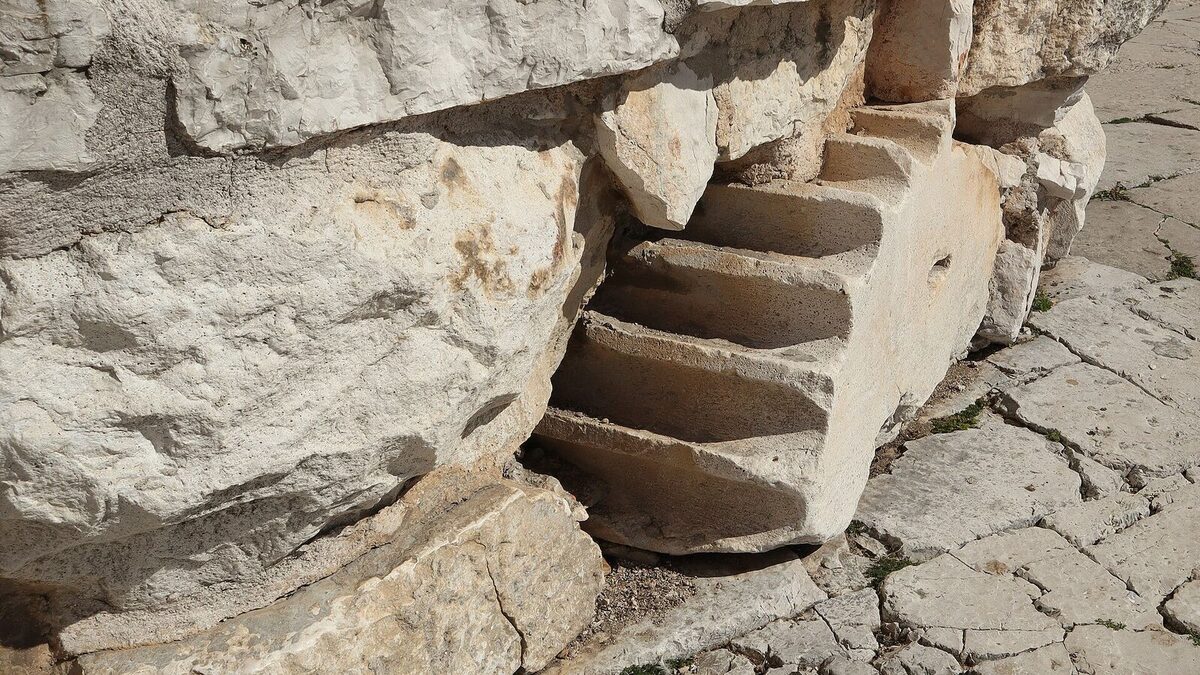
4 · Explore region →Split, Trogir, Hvar, Brač — pulsating heart of the coast
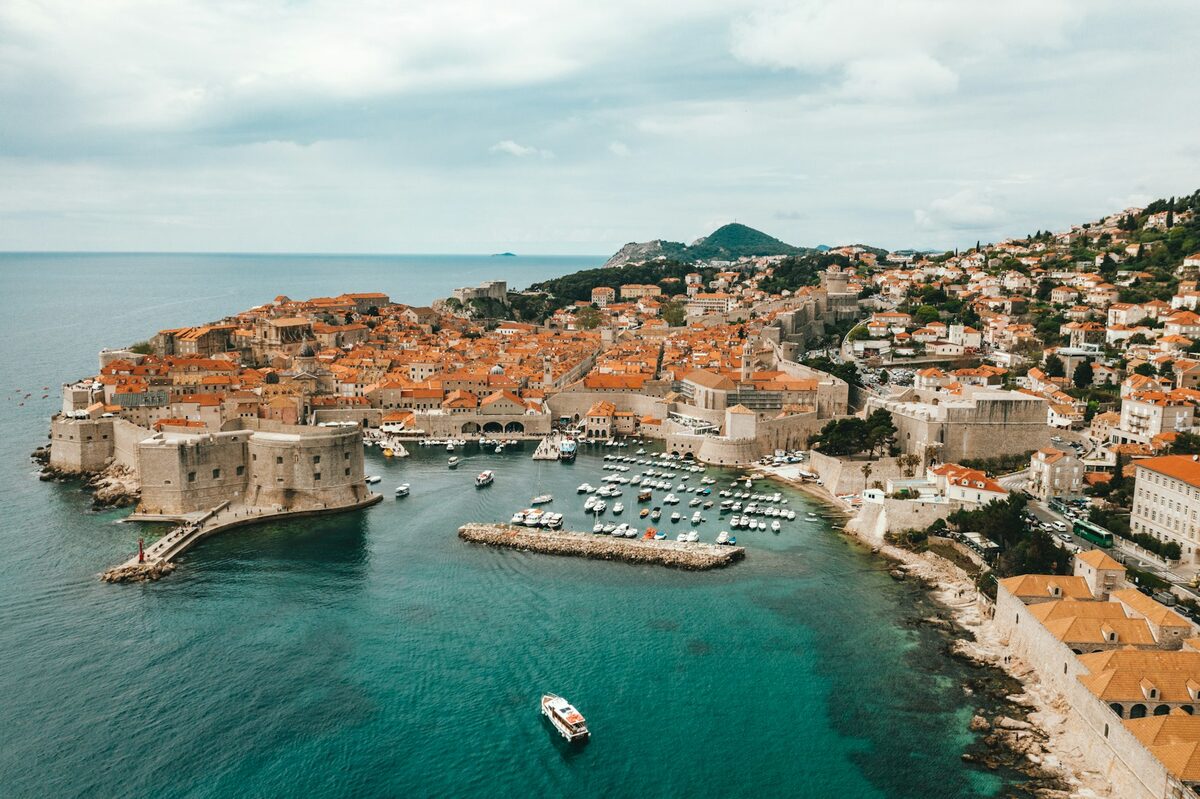
7 · Explore region →Dubrovnik, Korčula, Mljet, Pelješac — Adriatic premium
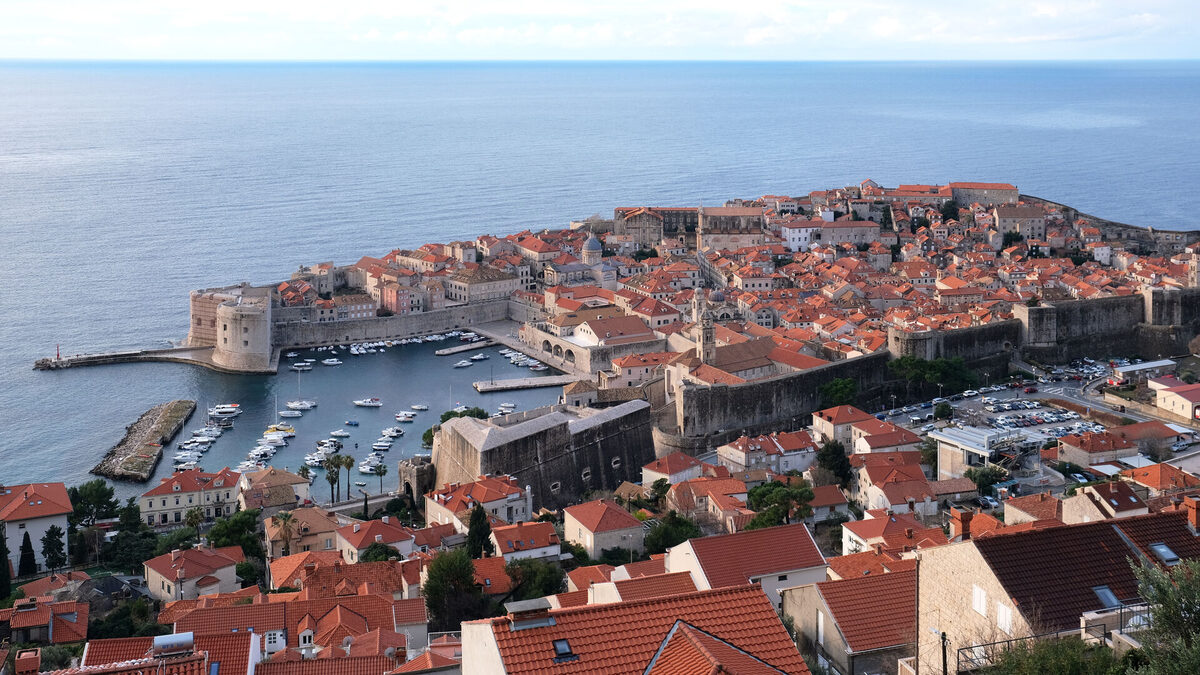
5 · Explore region →The capital, medieval castles, Plitvice Lakes
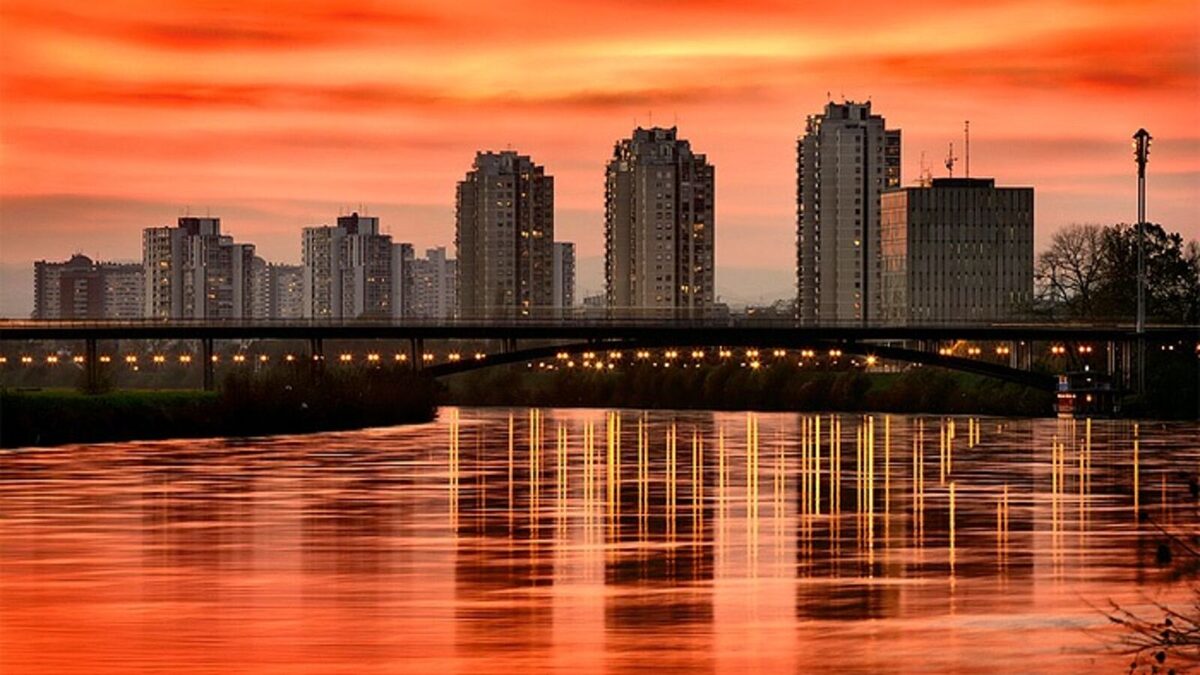
3 · Explore region →Osijek, Vukovar, vineyards, continental plains
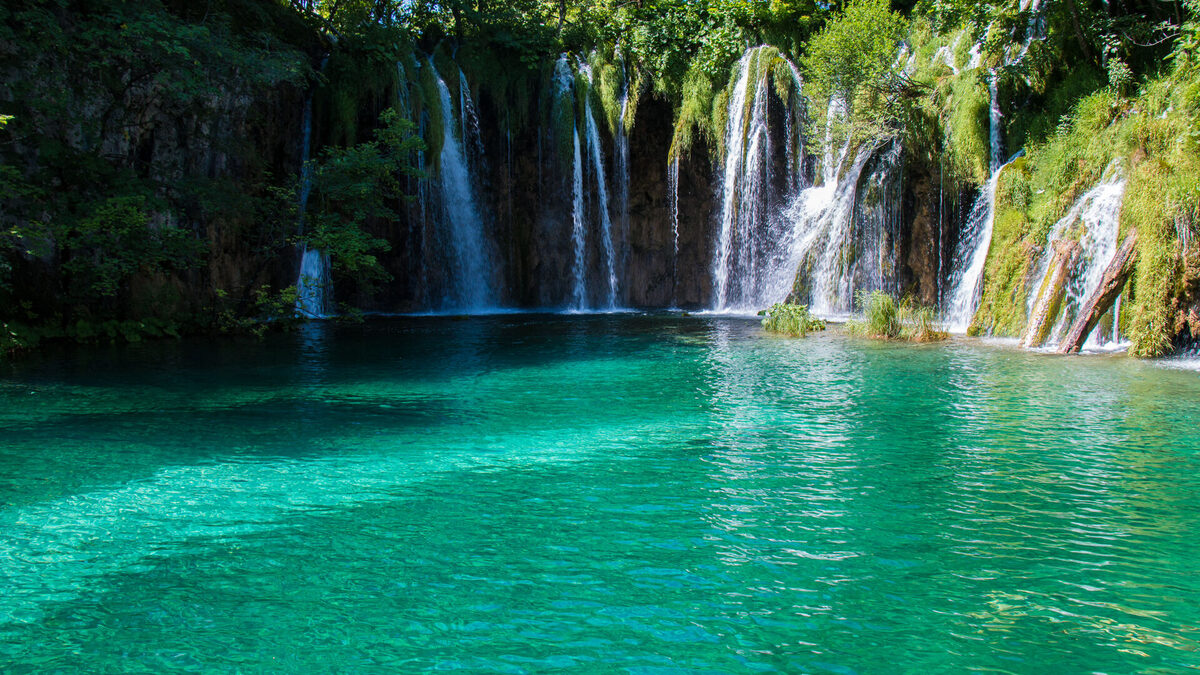
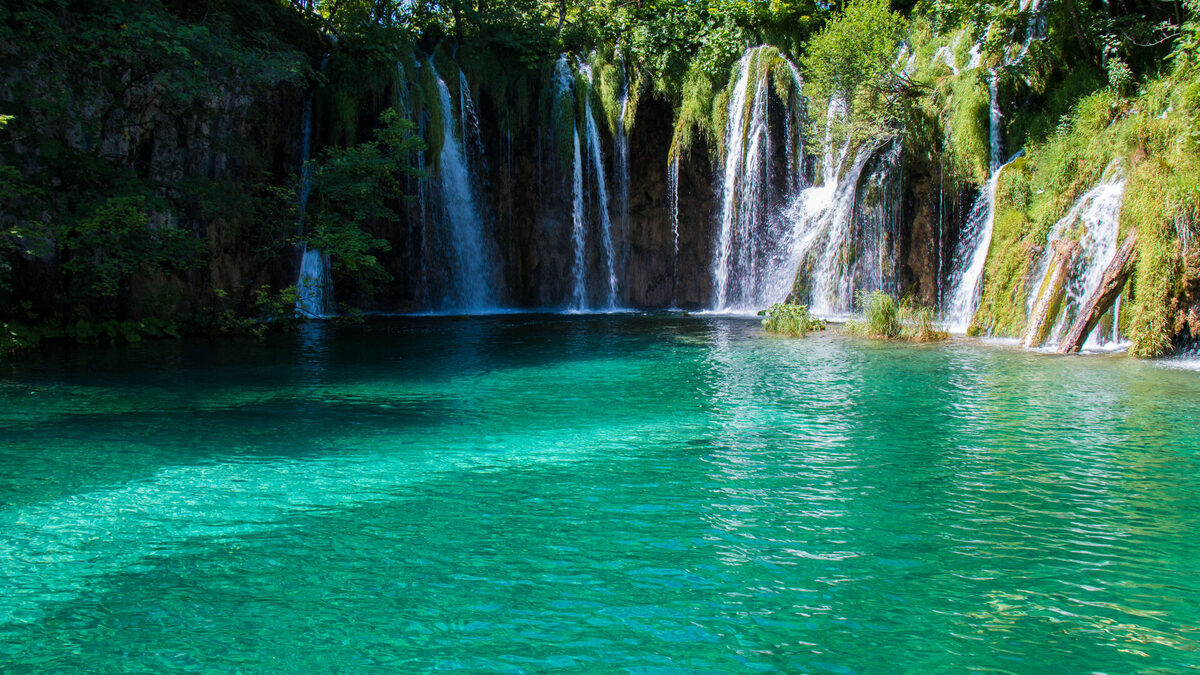
3 · Explore region →Plitvice Lakes, Velebit, Kupa and Korana rivers
2 · Explore region →
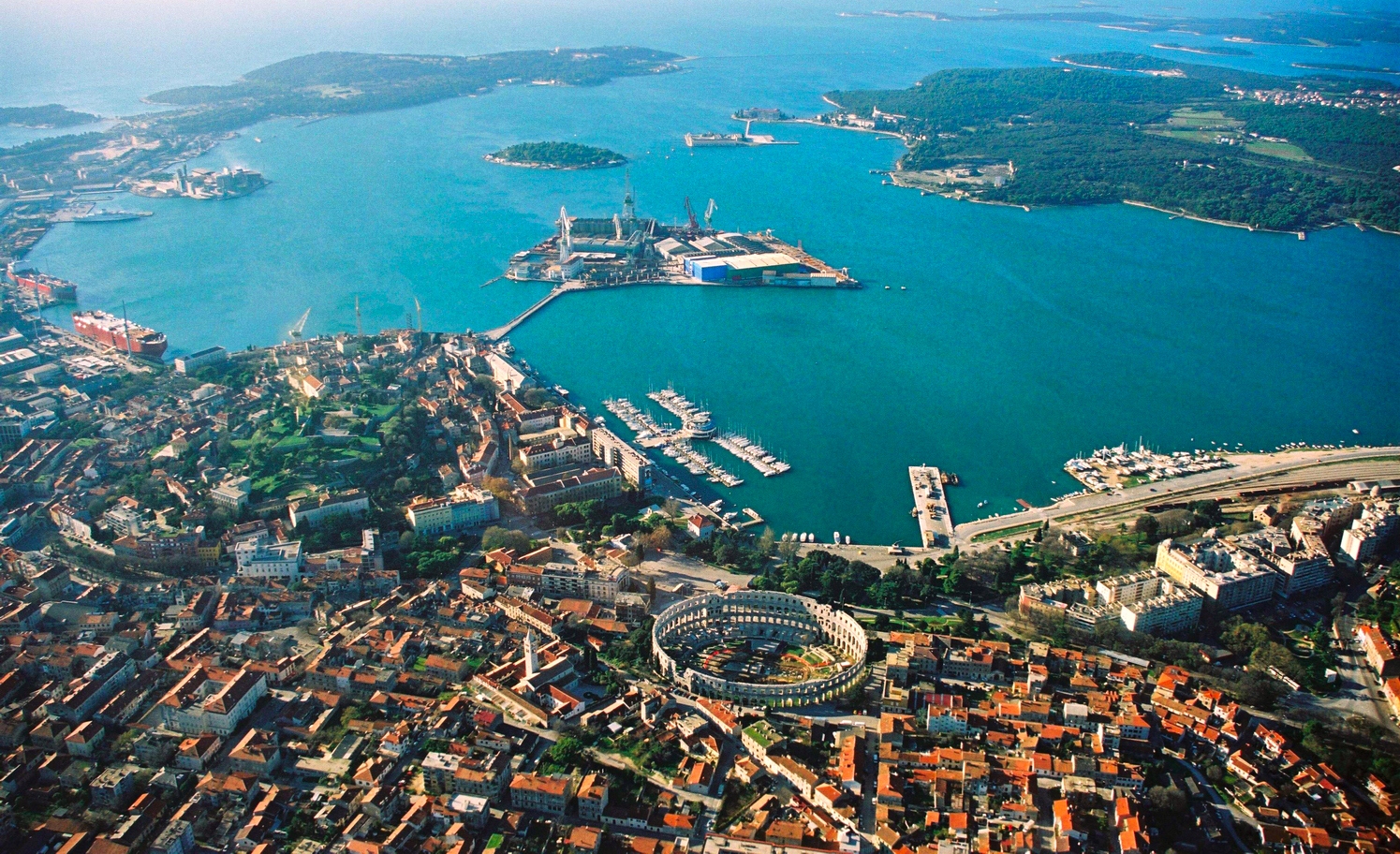
Istria
Pula
Roman amphitheatre on the Adriatic
Discover →
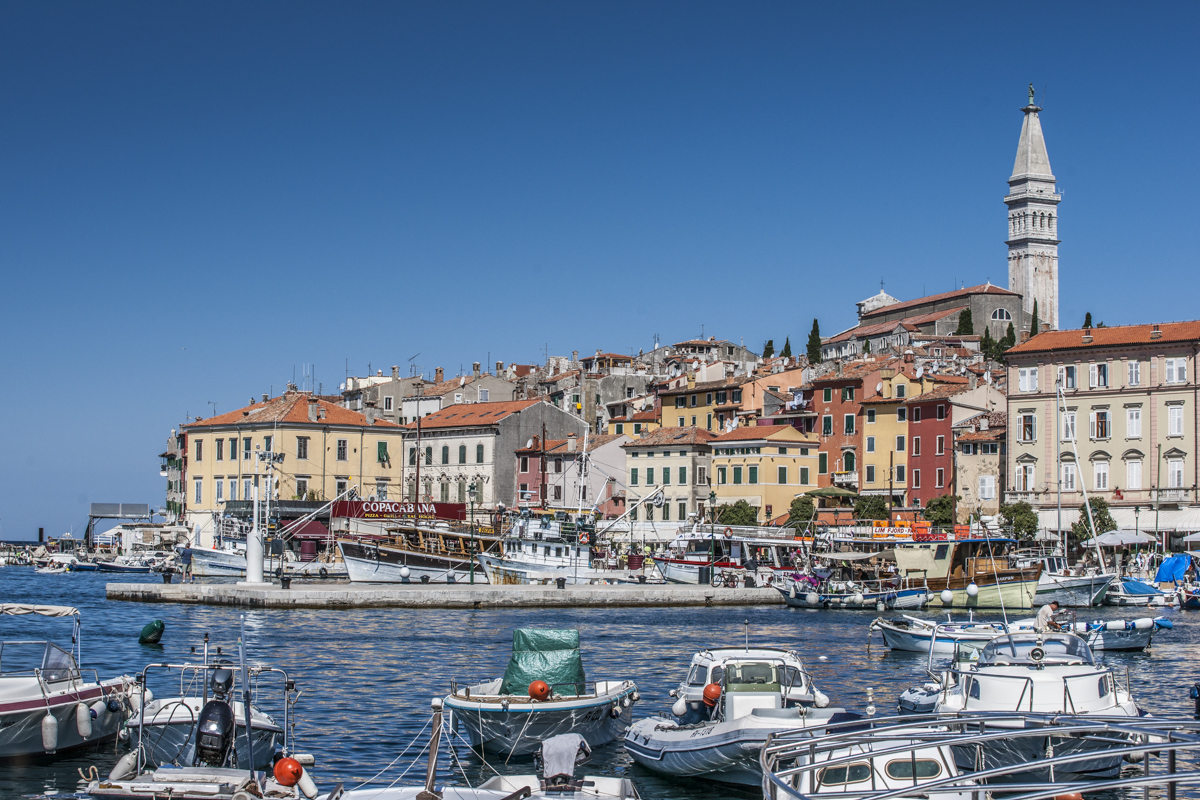
Istria
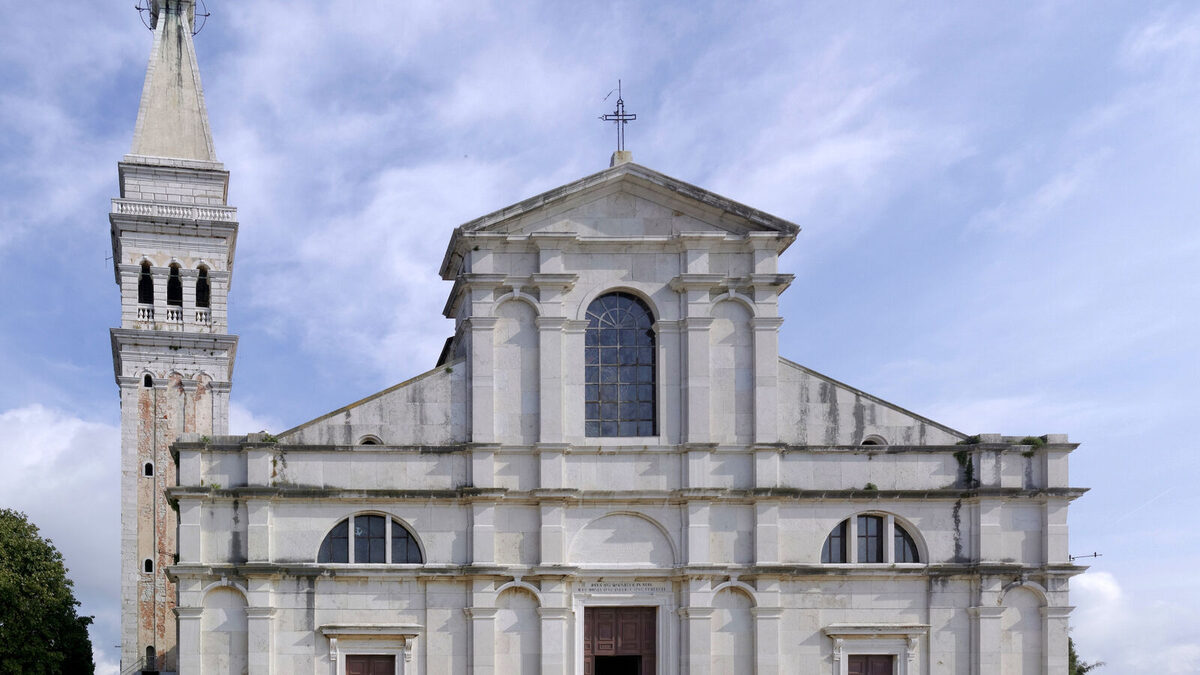
Rovinj
The most photogenic city on the Adriatic
Discover →
Kvarner
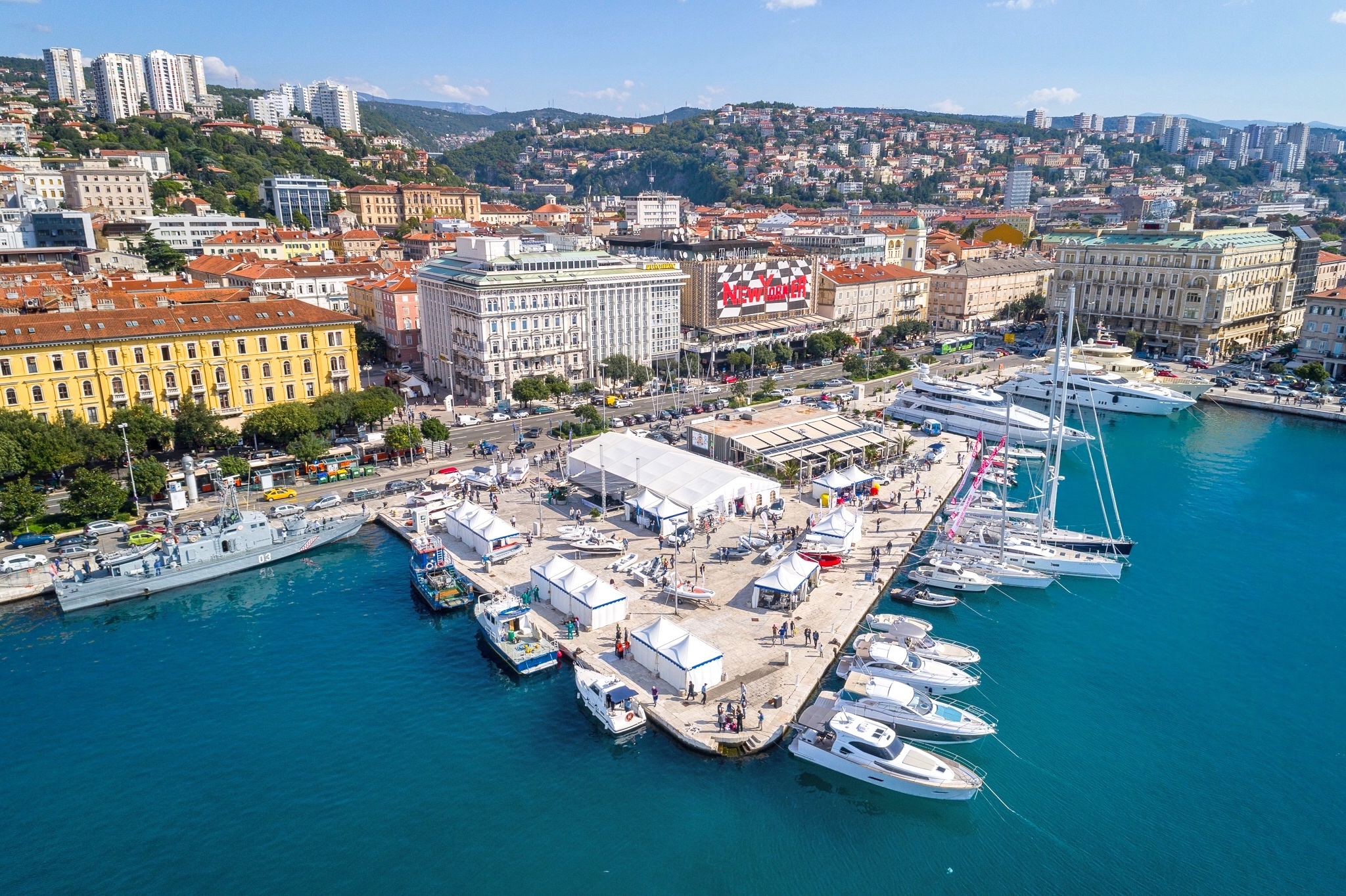
Rijeka
Croatia's third city, port, European Capital of Culture 2020
Discover →
Kvarner
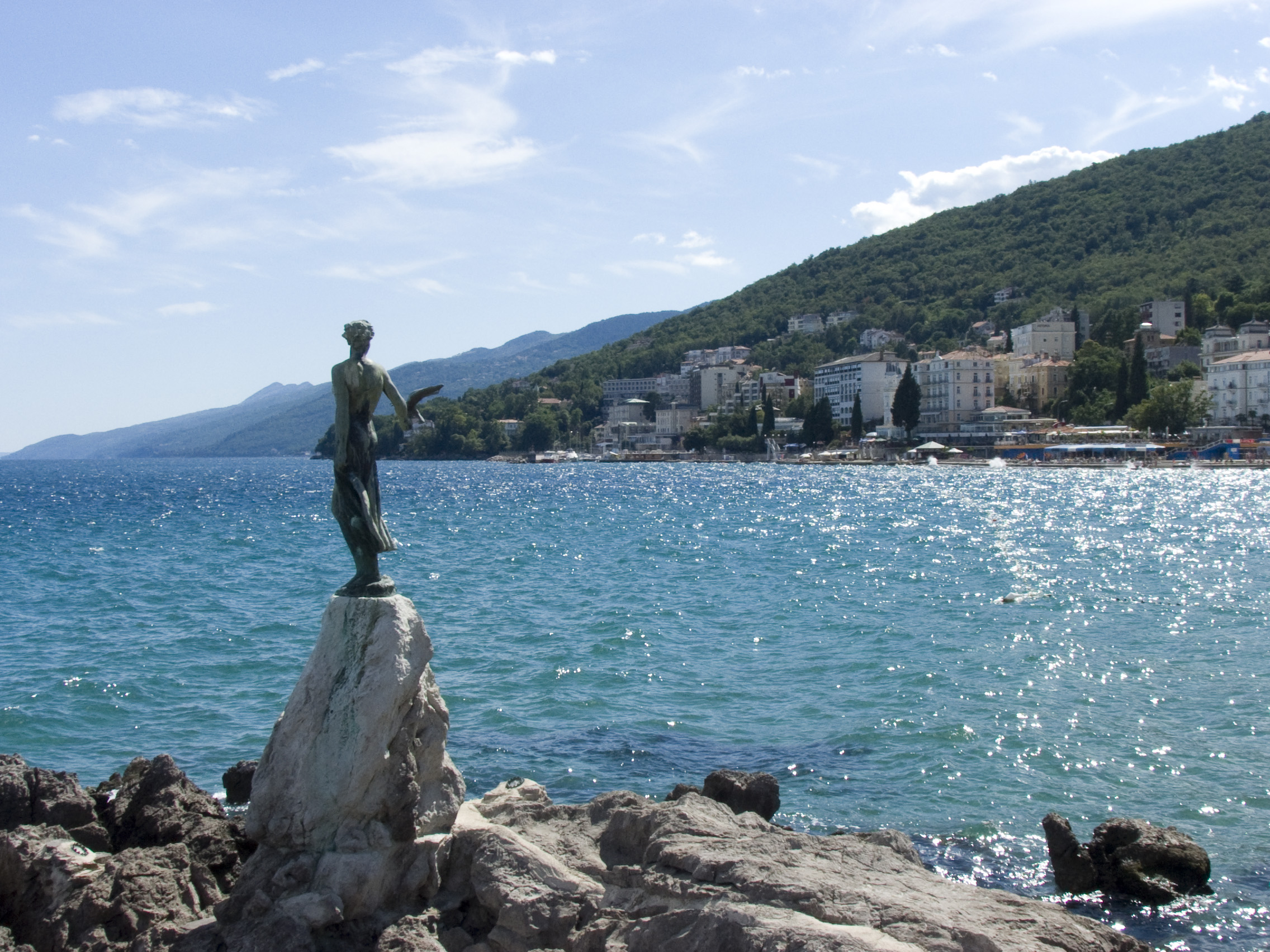
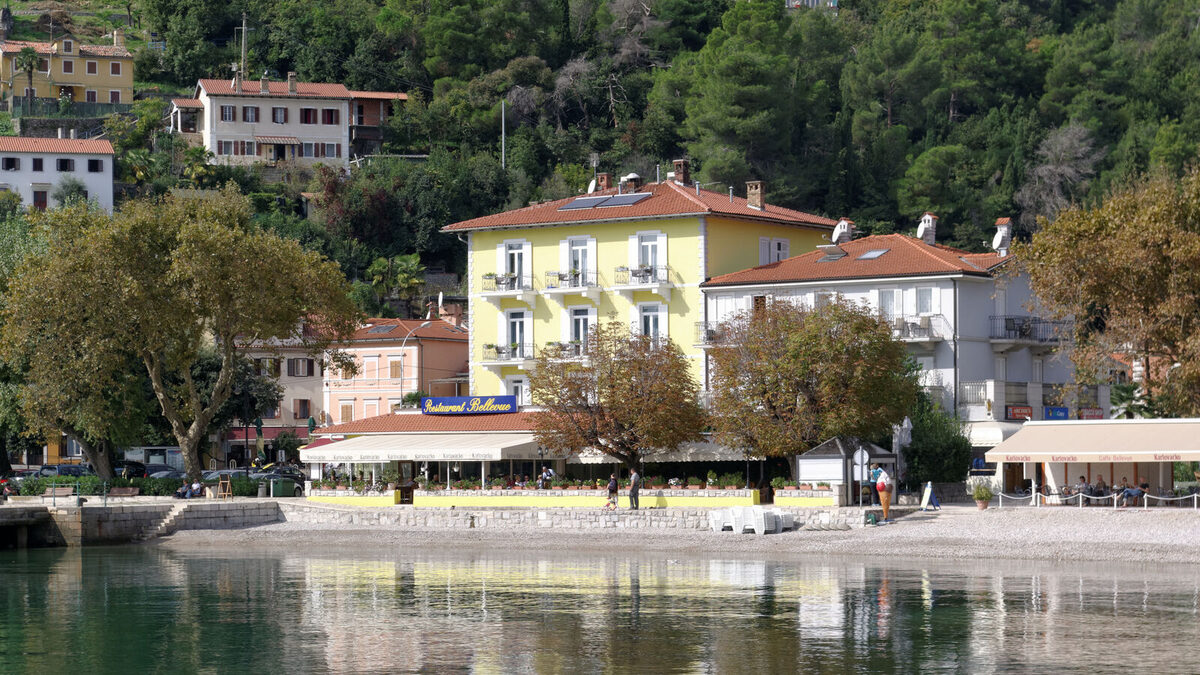
Opatija
Adriatic Nice — Austro-Hungarian riviera
Discover →
Kvarner
Krk
Croatia's largest island with a bridge to the mainland
Discover →
Northern Dalmatia
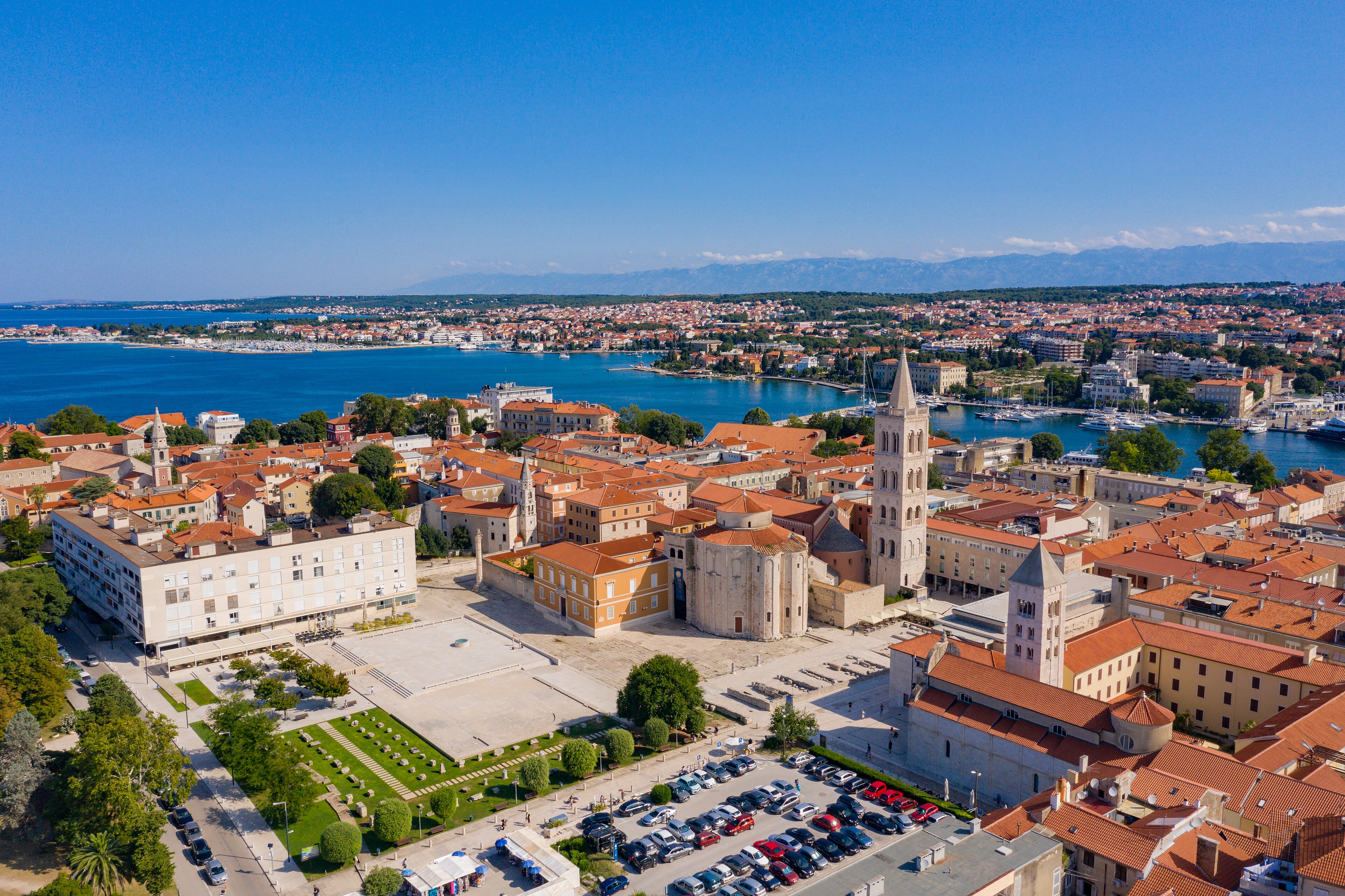
Zadar
Sea Organ and 3000 years of history
Discover →
Northern Dalmatia
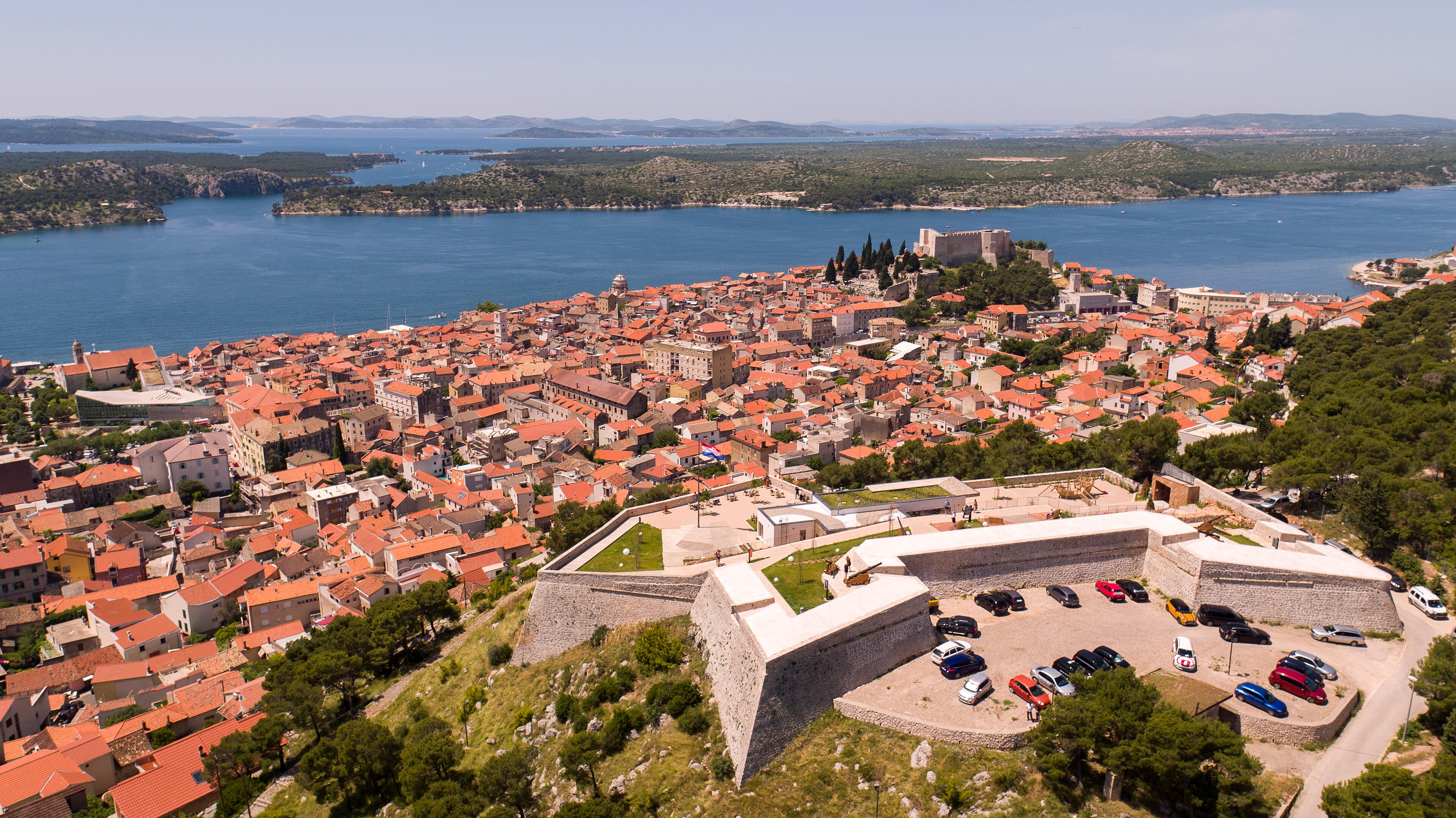
Šibenik
Cathedral of St. James (UNESCO), gateway to Krka and Kornati
Discover →
Central Dalmatia
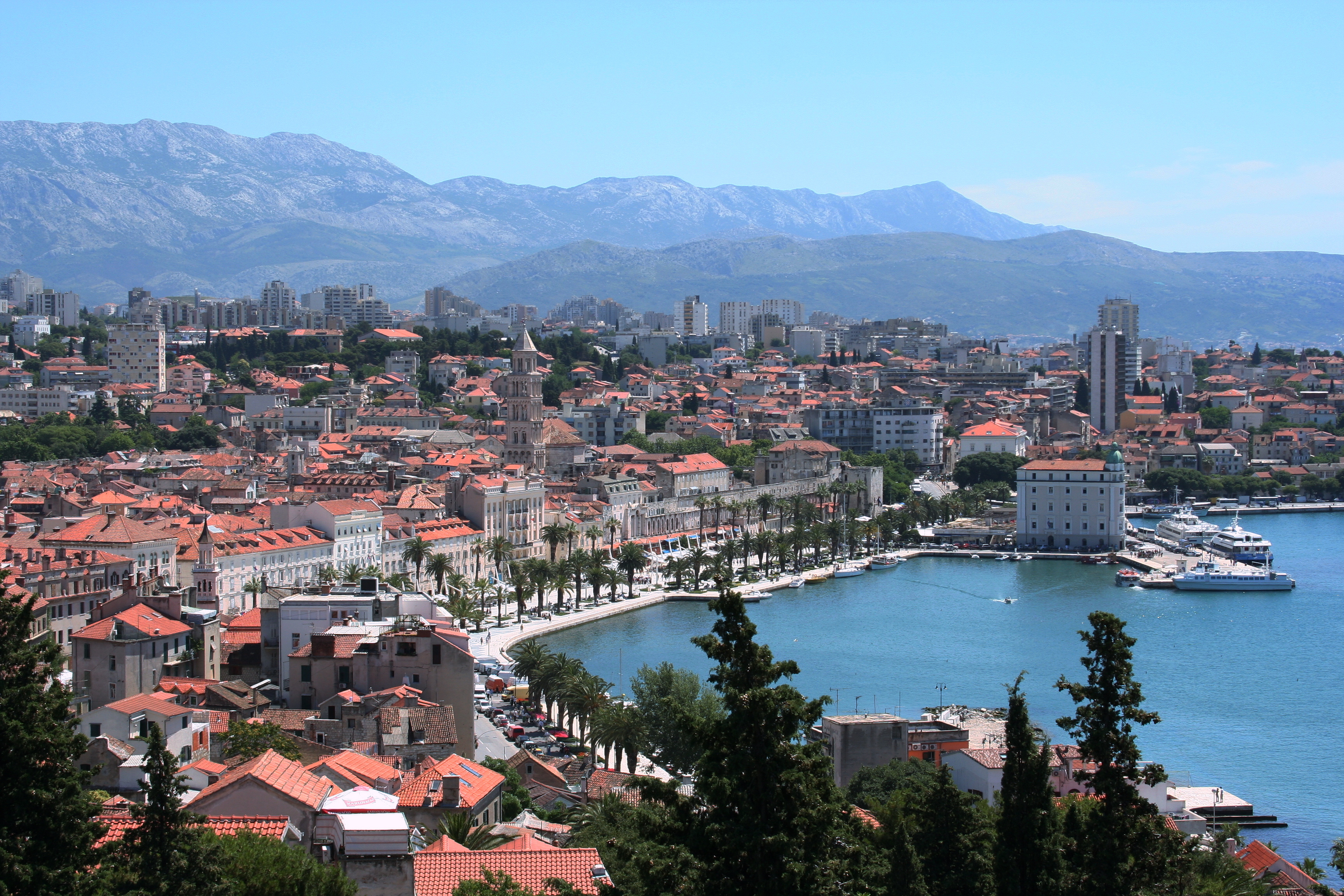
Split
Diocletian's Palace — a living museum (UNESCO)
Discover →Croatia lies at the crossroads of Central Europe, the Mediterranean and the Balkans. Its history spans more than three thousand years of continuous civilization
Read more →Croatian culture is a mosaic of Mediterranean, Central European, Balkan and Oriental influences. In a small space, Gothic and Baroque, klapa singing and Art Nou
Read more →Croatian cuisine is the meeting of three great culinary worlds: Mediterranean (Dalmatia, Istria, Kvarner), Central European (Slavonia, Zagorje, Zagreb) and Balk
Read more →The necktie comes from Croatia — French "cravate" derives from "hrvat". The Dalmatian dog comes from Dalmatia — first written record from Đakovo, 1719. The worl
Read more →